
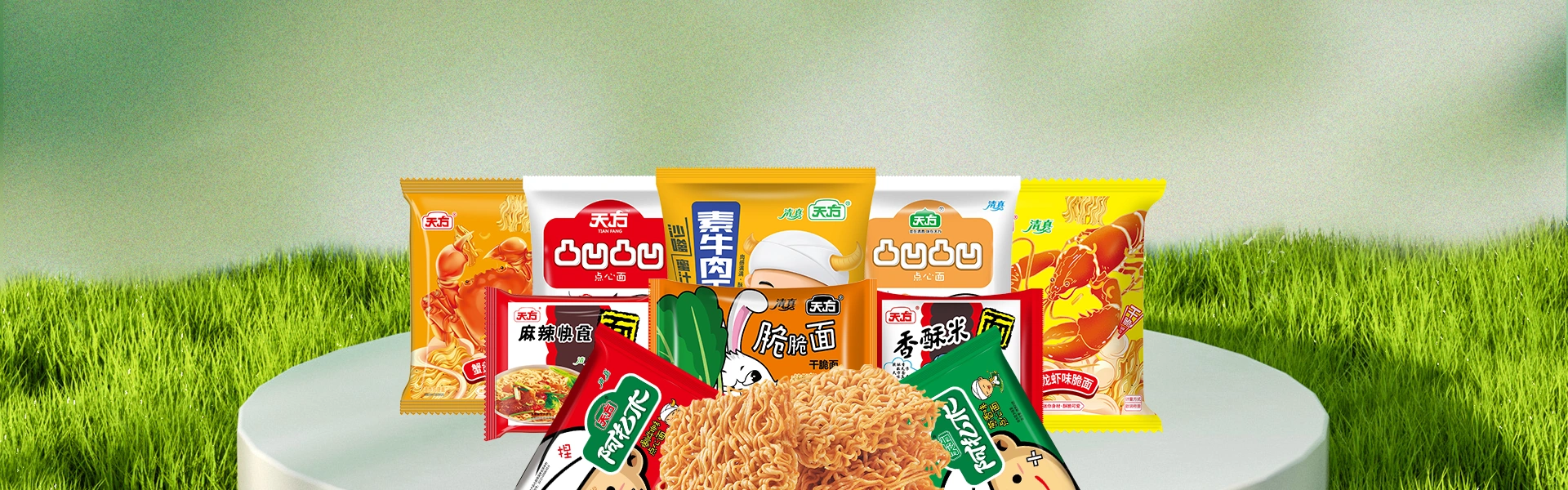
Exploring the World of Children’s Snack Noodles: A Nutritional Perspective
2025-12-01
Children's snack noodles have gained popularity in recent years, serving as a convenient and tasty option for busy parents and their little ones. These noodles, often marketed specifically for children, come in various shapes, flavors, and textures, making them an enticing option for young eaters. However, understanding the nutritional aspects of these snack noodles is essential for parents who want to make informed choices for their children's diets.
Firstly, it's important to acknowledge the primary ingredients commonly found in children's snack noodles. Most varieties are made from wheat flour, which serves as the base for the noodles. This ingredient provides carbohydrates, a crucial energy source for active children. However, the nutritional profile can vary significantly based on the specific product and its processing methods. Many snack noodles may also contain additives and flavor enhancers that could impact their overall health value.
When considering children's snack noodles, parents should pay attention to the level of fiber. Some brands incorporate whole grain or fortified ingredients, which can enhance the fiber content, promoting better digestion and a sense of fullness. Fiber is essential for children, as it aids in maintaining a healthy digestive system and can help reduce the likelihood of constipation.
Another important aspect to consider is the protein content in snack noodles. While noodles may not be a rich source of protein, some brands do include added proteins, such as milk or soy, which can contribute to a child's daily protein needs. Protein is vital for growth and development, making it an essential component of a child's diet.
Flavor variety is another reason children are drawn to snack noodles. From savory chicken to tangy vegetable flavors, these options can cater to diverse taste preferences. However, parents should be cautious about sodium content; many flavored snack noodles can be high in salt, which is not advisable for young children. Monitoring sodium intake is crucial, as excessive salt consumption can lead to health issues later in life.
Lastly, while children's snack noodles offer convenience and appeal, moderation is key. These snacks can be part of a balanced diet, especially when accompanied by a variety of fruits, vegetables, and other wholesome foods. Encouraging children to explore different food options and combine their noodles with nutritious ingredients can enhance their overall dietary intake.
In conclusion, children's snack noodles can be a fun and enjoyable addition to a child's diet, provided that parents remain mindful of their nutritional content. By selecting options that are lower in sodium and higher in fiber and protein, parents can ensure that these snacks contribute positively to their children's health and well-being.
Firstly, it's important to acknowledge the primary ingredients commonly found in children's snack noodles. Most varieties are made from wheat flour, which serves as the base for the noodles. This ingredient provides carbohydrates, a crucial energy source for active children. However, the nutritional profile can vary significantly based on the specific product and its processing methods. Many snack noodles may also contain additives and flavor enhancers that could impact their overall health value.
When considering children's snack noodles, parents should pay attention to the level of fiber. Some brands incorporate whole grain or fortified ingredients, which can enhance the fiber content, promoting better digestion and a sense of fullness. Fiber is essential for children, as it aids in maintaining a healthy digestive system and can help reduce the likelihood of constipation.
Another important aspect to consider is the protein content in snack noodles. While noodles may not be a rich source of protein, some brands do include added proteins, such as milk or soy, which can contribute to a child's daily protein needs. Protein is vital for growth and development, making it an essential component of a child's diet.
Flavor variety is another reason children are drawn to snack noodles. From savory chicken to tangy vegetable flavors, these options can cater to diverse taste preferences. However, parents should be cautious about sodium content; many flavored snack noodles can be high in salt, which is not advisable for young children. Monitoring sodium intake is crucial, as excessive salt consumption can lead to health issues later in life.
Lastly, while children's snack noodles offer convenience and appeal, moderation is key. These snacks can be part of a balanced diet, especially when accompanied by a variety of fruits, vegetables, and other wholesome foods. Encouraging children to explore different food options and combine their noodles with nutritious ingredients can enhance their overall dietary intake.
In conclusion, children's snack noodles can be a fun and enjoyable addition to a child's diet, provided that parents remain mindful of their nutritional content. By selecting options that are lower in sodium and higher in fiber and protein, parents can ensure that these snacks contribute positively to their children's health and well-being.
Previous Page:
Hotline
Address: No. 18 Industrial Road, Mazhai Economic Development Zone, Erqi District, Zhengzhou City, Henan Province

Official Account
Official Douyin
Official Douyin
Douyin Store
Copyright © Zhengzhou Tianfang Food Group Co., Ltd
Powered by www.300.cn Supports IPV6 Privacy Agreement