
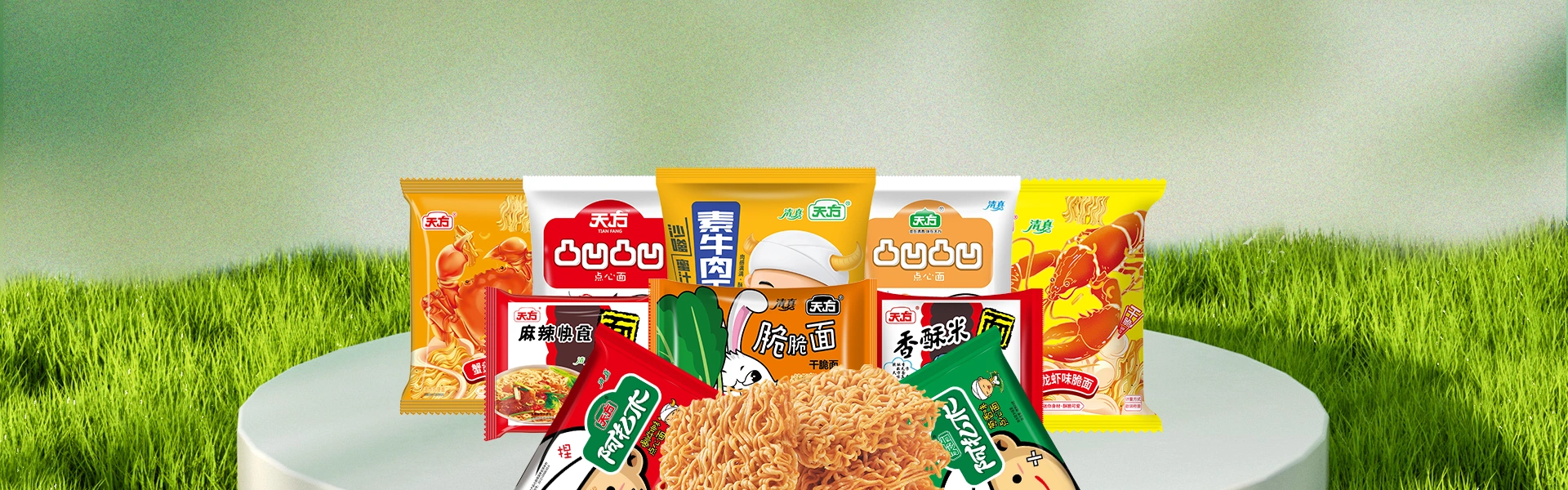
Spicy Beef Bone Elastic Noodles: Exploring Flavor Development with Crispy Spicy Rice Flavor
2026-10-16
spicy beef bone elastic noodles represent a combination of a distinctive spicy profile and the chewy characteristics expected from elastic noodles, while Crispy Spicy Rice Flavor provides a flavor direction that can be considered for food manufacturers developing products with a stronger taste identity.
Rather than focusing only on the noodle itself, modern food product development often considers the relationship between the noodle base, flavor profile, preparation method, and target market. This creates opportunities for manufacturers and food brands to develop products with recognizable characteristics while adapting the final formulation to their own product strategy.
Flavor as a Product Development Element
For noodle manufacturers, flavor selection is not simply an additional step after the noodle has been produced. It can influence the positioning of the finished product from the beginning of development.
Spicy flavors are widely used in noodle products because they can create a more pronounced taste profile. When combined with a rice-related flavor concept, the result can provide a different direction from conventional plain or mildly seasoned noodle products.
Crispy Spicy Rice Flavor is positioned around this combination of spicy and rice-related sensory characteristics. For B2B buyers, the product can therefore be considered from a formulation perspective, particularly when developing noodle products that require a distinctive flavor concept.
The final product experience will also depend on how the selected flavor is incorporated into the noodle formulation and how the finished food is prepared. Manufacturers can evaluate the flavor according to their own recipes, processing methods, and intended market positioning.
Connecting Flavor with Elastic Noodle Products
Elasticity is an important characteristic in many noodle products because texture affects the way consumers experience the food. A noodle with a firm and elastic bite can provide a different eating experience from softer noodle formats.
When a spicy flavor profile is introduced into an elastic noodle product, both taste and texture become part of the product concept. This is particularly relevant for manufacturers working on differentiated noodle products rather than basic staple formulations.
The concept of spicy beef bone elastic noodles combines several recognizable product characteristics: a spicy taste direction, a beef-bone-inspired flavor concept, and an elastic noodle texture. For product developers, these elements can serve as a starting point for determining the sensory direction of a finished noodle product.
Crispy Spicy Rice Flavor offers another flavor-development route. Instead of relying solely on the traditional beef-oriented profile, manufacturers can explore a spicy rice-related taste concept when developing products for different product lines or market segments.
What B2B Buyers Need to Consider
Flavor products are normally evaluated within the context of the final food product. For manufacturers and food brands, the key question is not simply whether a flavor sounds appealing, but whether it fits the intended noodle formulation and production process.
Several factors can be considered during product development.
First, the flavor direction should correspond with the positioning of the finished noodle. A strongly spicy product may require different positioning from a mild noodle product, while a rice-related flavor can provide another point of differentiation.
Second, the flavor should be evaluated together with the noodle base. Elastic noodles have their own texture and eating characteristics, so the selected flavor needs to complement rather than obscure the intended product experience.
Third, manufacturers need to consider the final preparation method. Noodles may be developed for different foodservice or packaged-food formats, and the sensory experience can change depending on how the product is prepared and served.
Finally, buyers should communicate their intended application with the flavor supplier. This allows the flavor to be evaluated according to the actual food-development requirements instead of being selected independently from the final product.
Developing a More Distinctive Noodle Concept
Competition in the noodle market makes differentiation increasingly important for food manufacturers. A basic noodle product may compete mainly through price, packaging, or distribution, while a flavor-focused product can establish a clearer sensory identity.
This is where a product such as Crispy Spicy Rice Flavor can become part of the development discussion. Its flavor concept provides a direction for manufacturers looking to create a spicy noodle product with a rice-associated character.
For companies developing private-label foods, restaurant products, packaged noodles, or other prepared-food concepts, flavor selection can be integrated into the early stages of product planning. The manufacturer can first establish the desired taste direction and then assess how it works with the selected noodle formulation.
This approach also makes it possible to create different products from a common noodle base. By changing the flavor direction, a manufacturer may develop multiple products aimed at different customer preferences while maintaining a consistent production concept.
From Ingredient Selection to Finished Product
A flavor ingredient does not exist separately from the rest of the food-production process. Its role is to contribute to the sensory profile of the finished product, which means product developers need to evaluate it as part of the complete formulation.
For spicy beef bone elastic noodles, for example, the desired result may involve a balance between spicy characteristics, beef-bone flavor, and noodle elasticity. The development process therefore needs to consider the interaction between flavor and texture.
With Crispy Spicy Rice Flavor, the product-development focus can move toward a spicy rice-related flavor profile. Manufacturers can determine how this direction fits their noodle base and intended product concept.
The precise formulation, dosage, processing conditions, and final recipe should be established according to the manufacturer's product-development requirements rather than assumed without technical confirmation.
Applications in Food Product Development
Flavor solutions can support different types of food businesses because manufacturers do not all approach noodle products from the same market position.
A noodle factory may use a flavor concept when developing a new finished product. A food brand may evaluate it as part of a private-label product program. A foodservice supplier may use a distinctive flavor profile when creating a noodle product for a particular menu concept.
For B2B buyers, this means the value of a flavor product is closely related to flexibility during product development. Instead of selecting a flavor based only on its name, buyers can evaluate its suitability within the complete recipe and production process.
Crispy Spicy Rice Flavor can be considered as one such development option for manufacturers seeking a spicy flavor direction with a rice-related identity. Its potential role should be assessed according to the specific formulation and application being developed.
Building Product Differentiation Through Taste
Taste is one of the most recognizable characteristics of a finished noodle product. When manufacturers introduce a distinctive flavor concept, they can create a clearer difference between products that may otherwise use similar noodle formats.
The contrast between spicy beef bone elastic noodles and a crispy spicy rice flavor concept also illustrates how flavor direction can influence product positioning. Both can use a spicy orientation while presenting different sensory identities.
For manufacturers, this creates room for more targeted product development. Instead of treating “spicy” as a single flavor category, product teams can explore different combinations and develop products that correspond with their own market strategies.
A well-defined flavor concept can also make communication between food brands, manufacturers, and suppliers more efficient. When the desired sensory direction is established early, the development process can focus more directly on formulation and final-product evaluation.
FAQ
What are spicy beef bone elastic noodles?
Spicy beef bone elastic noodles are a noodle product concept combining a spicy flavor direction with beef-bone-style flavor characteristics and an elastic noodle texture. The final formulation depends on the manufacturer's recipe and production requirements.
What is Crispy Spicy Rice Flavor?
Crispy Spicy Rice Flavor is the product name provided for this flavor product. It represents a spicy rice-related flavor direction that can be evaluated for food product development.
Can Crispy Spicy Rice Flavor be considered for noodle products?
It can be considered as a flavor-development option for noodle products. Manufacturers should evaluate its compatibility with their specific noodle base, recipe, processing method, and desired sensory profile.
Why is flavor selection important for B2B noodle manufacturers?
Flavor selection can influence product positioning and differentiation. It allows manufacturers to develop noodle products with different sensory identities while adapting the final formulation to specific market requirements.
Does the flavor determine the final noodle texture?
No. Noodle texture is influenced by the noodle formulation and manufacturing process. Flavor and texture are separate product characteristics, although they should be evaluated together when developing the finished food.
A Flavor Development Option for Noodle Manufacturers
The development of spicy noodle products involves more than simply increasing the intensity of a seasoning. Manufacturers need to consider flavor identity, noodle texture, preparation method, product positioning, and the requirements of the target market.
The concept of spicy beef bone elastic noodles demonstrates how taste and texture can work together to define a noodle product. At the same time, Crispy Spicy Rice Flavor provides a different direction for companies seeking to explore spicy and rice-related sensory characteristics.
For food manufacturers, distributors, food brands, and other B2B buyers, the next step is to evaluate the flavor within the intended product formulation and confirm the technical requirements with the supplier. This helps ensure that the selected flavor direction is suitable for the finished noodle product and its planned market application.
For more information about Crispy Spicy Rice Flavor and its suitability for your food product development, contact Tianfang to discuss your application requirements and flavor-development needs.
Previous Page:
Hotline
Address: No. 18 Industrial Road, Mazhai Economic Development Zone, Erqi District, Zhengzhou City, Henan Province

Official Account
Official Douyin
Official Douyin
Douyin Store
Copyright © Zhengzhou Tianfang Food Group Co., Ltd
Powered by www.300.cn Supports IPV6 Privacy Agreement